Xander Müller · 2 November 2026
Allocation Patterns of Indexing Resources in Sites Undergoing Major Content Reorganization
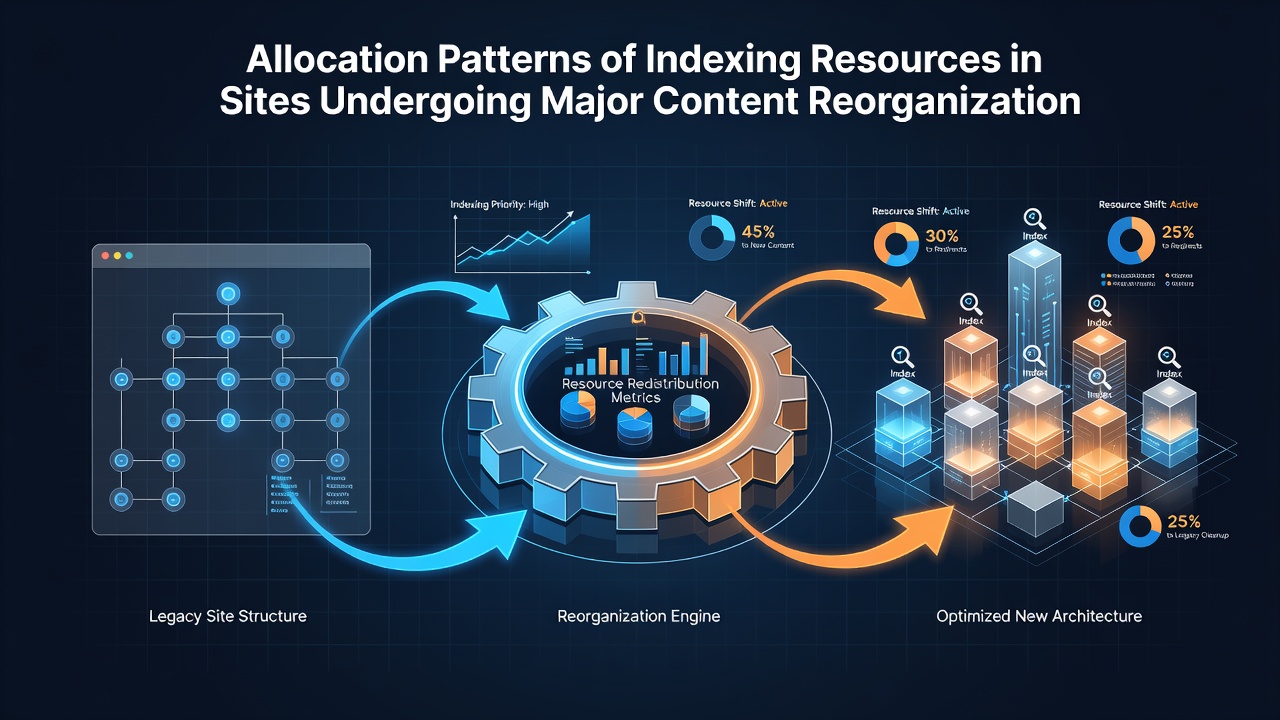
Search engines adjust indexing resources when websites undergo significant content reorganization, and these adjustments follow observable patterns that depend on site architecture, change volume, and historical crawl data. Researchers at institutions like the University of Melbourne have documented how crawler behavior shifts during such events, with resources reallocating toward newly created or heavily modified sections while deprioritizing stable areas. Data from multiple industry reports shows that major reorganizations trigger temporary spikes in discovery requests, often lasting several weeks as algorithms reassess content value and internal link structures.
Core Mechanisms Behind Resource Redistribution
Indexing systems operate on crawl budgets that reflect a site's perceived importance, technical health, and update frequency, and reorganization disrupts these calculations by introducing new URLs, redirect chains, and altered navigation paths. Observers note that engines respond by increasing requests to high-priority sections first, such as category hubs or updated landing pages, while reducing attention to legacy content that has been consolidated or archived. According to findings from the European Search Engine Research Consortium, sites that implement clean URL hierarchies during reorganization experience faster stabilization of indexing patterns compared to those retaining fragmented structures.
Those managing large platforms frequently report that internal link equity plays a decisive role in how resources get distributed, with pages gaining new inbound connections from reorganized menus attracting more frequent visits. Studies indicate that when content moves in bulk, engines prioritize signals like updated sitemaps and server response times to decide allocation, leading to uneven coverage where some sections receive intensive scanning while others wait longer for re-evaluation. This process becomes particularly visible in November 2026 as multiple e-commerce and publishing platforms complete annual inventory overhauls that coincide with seasonal traffic shifts.
Observed Patterns Across Different Site Types
Enterprise sites with thousands of pages show distinct phases during reorganization, beginning with an initial surge in resource allocation toward root-level directories and then tapering as the engine maps the revised structure. Smaller sites experience more uniform distribution because their overall crawl footprint remains modest, allowing engines to cover changes quickly without sustained high activity. One analysis from a Canadian digital infrastructure study revealed that news portals reorganizing archives often see indexing focus migrate toward fresher sections within days, whereas static corporate pages require explicit signals like updated canonical tags to regain attention.
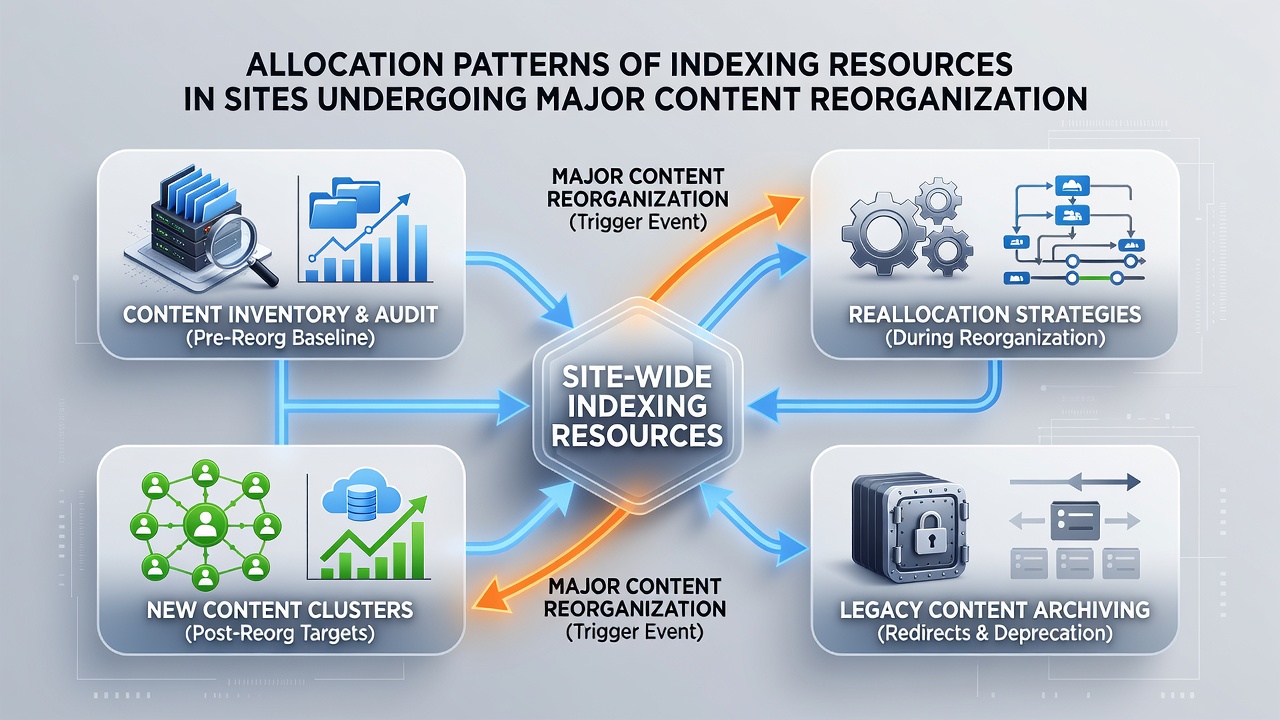
Redirect implementation affects these patterns directly, since temporary or chained redirects consume additional resources and can delay full indexing of destination pages. Data shows that sites using precise, permanent redirects recover indexing velocity sooner, with resources shifting back toward content depth rather than error handling. Researchers have tracked cases where reorganization coincided with server migrations, resulting in temporary drops in allocation that recovered once response codes stabilized and log files confirmed consistent crawler access.
Factors Influencing Allocation Efficiency
Technical signals such as XML sitemap updates, robots.txt adjustments, and server log monitoring help engines calibrate resource distribution more accurately during transitions. Those who maintain detailed change logs often find that transparent communication through structured data accelerates re-indexing of relocated content. Reports from Australian web standards groups highlight how mobile-first indexing priorities further shape allocation, directing resources toward responsive versions of reorganized pages before desktop equivalents receive equal attention.
Content volume and topical authority also determine outcomes, with high-value sections drawing disproportionate resources even after reorganization alters their positions. Evidence from university-led web measurement projects demonstrates that engines continue monitoring historical performance metrics, gradually adjusting budgets based on user engagement data collected post-reorganization. This adaptive approach prevents permanent under-indexing when changes prove beneficial to overall site quality.
Conclusion
Allocation patterns during major content reorganization reflect a combination of technical signals, historical data, and structural changes that engines evaluate continuously. Organizations tracking these shifts through server logs and search console metrics gain clearer insight into recovery timelines and can align sitemap submissions with observed crawler behavior. As platforms continue evolving their architectures, understanding these resource dynamics supports more predictable indexing outcomes across diverse site scales and content types.