Frankie Klein · 5 October 2026
Resource Distribution Shifts in Reconfigured Web Frameworks During Algorithm Transitions
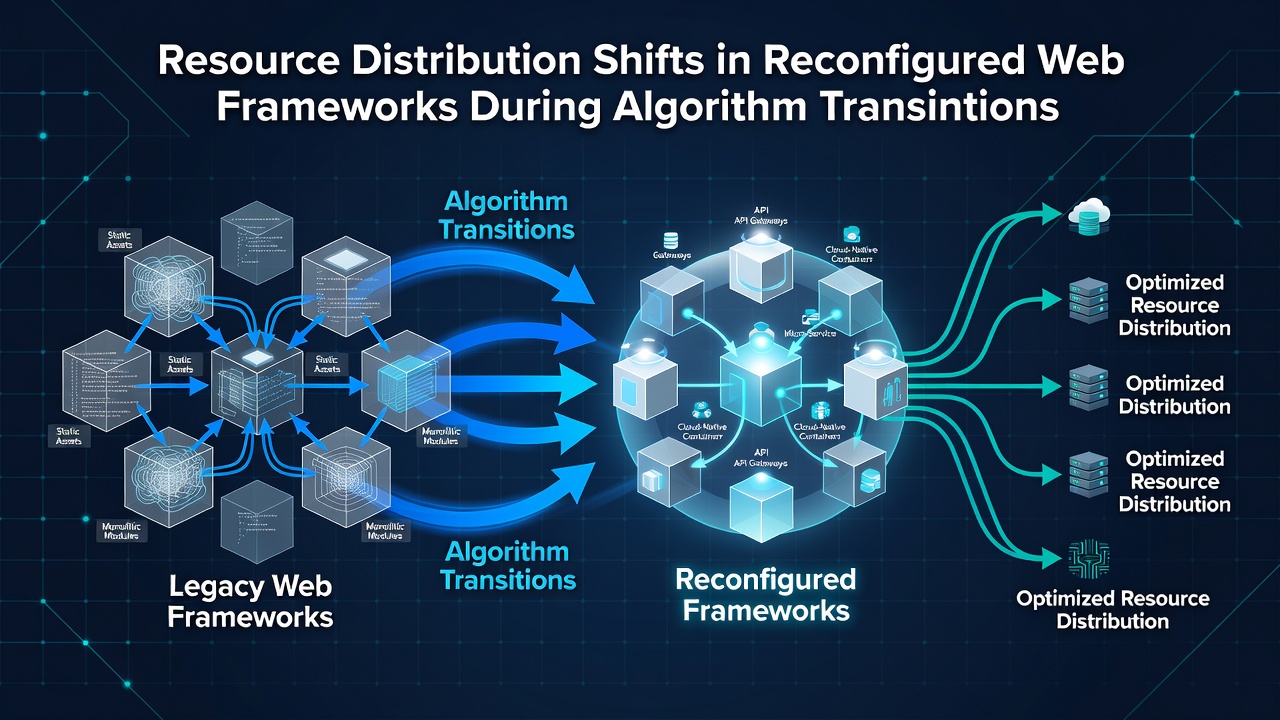
Web frameworks undergo reconfiguration when underlying algorithms shift from one processing model to another, and these changes trigger measurable adjustments in how CPU cycles, memory pools, and network bandwidth get allocated across system layers. Observers note that such transitions often occur during major version updates or when teams migrate from monolithic routing logic to distributed microservice patterns, with data showing that initial resource spikes settle into new steady states within weeks of deployment.
Framework Reconfiguration Patterns
Teams reconfigure frameworks by swapping out core modules for updated versions that support new algorithmic approaches, and this process alters the way static assets load alongside dynamic query handlers. Research from academic institutions reveals that memory fragmentation decreases after teams implement lazy loading techniques during these swaps, while CPU utilization patterns migrate toward burst-oriented workloads instead of sustained linear processing. Those who've tracked deployments across multiple environments find that caching layers expand their footprint to accommodate the new data flow requirements that accompany algorithm changes.
Reconfigurations also affect database connection pools because new algorithms frequently demand different query optimization strategies, and connection limits get recalibrated accordingly. Figures from industry reports indicate that average pool sizes increase by 15 to 25 percent in the first month after transition, then stabilize once the framework's resource manager adapts to the revised workload signatures.
Algorithm Transitions and Resource Impacts
Algorithm transitions typically replace older sorting or recommendation engines with more efficient alternatives that rely on vector embeddings or graph-based computations, and these replacements redistribute load across GPU-accelerated nodes when available. Data indicates that bandwidth consumption rises sharply during the parallel data synchronization phase that precedes full rollout, after which traffic patterns return to baseline levels but with different peak timing. Experts have observed that latency-sensitive endpoints experience temporary reallocation of thread pools to maintain response times while the new algorithm warms its caches.
October 2026 marks a notable period for several open-source frameworks that plan coordinated releases incorporating updated machine learning inference pipelines, and preliminary testing logs show that resource schedulers automatically adjust priority queues to favor the heavier computational tasks introduced by these pipelines. The shift requires careful monitoring of heap sizes because garbage collection cycles lengthen under the increased object creation rates that accompany embedding generation.
Monitoring and Adjustment Mechanisms
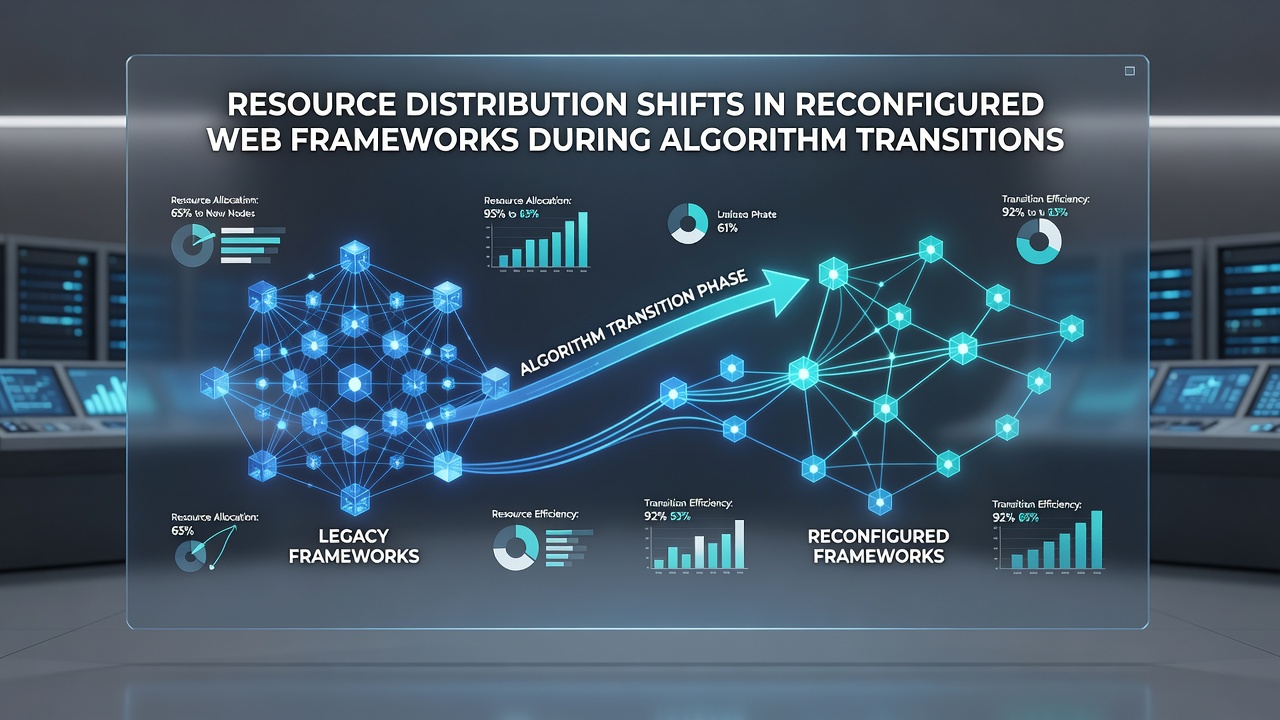
Modern frameworks include built-in telemetry that tracks resource distribution in real time, allowing operators to identify when an algorithm transition causes unexpected contention on particular services. Studies conducted at research universities demonstrate that automated scaling rules, when tuned to the new algorithmic profiles, reduce over-provisioning by reallocating idle containers to high-demand microservices within minutes of detecting load imbalances. Those managing production systems report that custom metrics collectors become essential because default framework dashboards sometimes underreport the memory overhead introduced by new data structures.
Load balancers receive updated weighting configurations during these periods so that traffic routes toward instances equipped with the revised algorithm code, and this routing change directly influences how network resources distribute across geographic regions. Evidence from deployment case studies shows that regions with lower latency to updated edge nodes absorb a larger share of requests until global propagation completes.
Long-Term Stabilization Trends
After the initial transition window closes, frameworks settle into revised resource baselines that reflect the efficiency gains or trade-offs of the new algorithms. Reports compiled by standards organizations such as the World Wide Web Consortium highlight how improved compression routines in updated frameworks lower overall bandwidth requirements even when computational complexity increases. Observers tracking multi-year trends note that teams who document these shifts early achieve more predictable capacity planning in subsequent reconfigurations.
Continued refinement of resource governors inside frameworks helps prevent regression when future algorithm updates arrive, and this iterative improvement cycle supports sustained performance across evolving web architectures. Data from longitudinal monitoring projects confirms that memory leak rates drop noticeably once teams apply lessons learned from prior transitions.
Conclusion
Resource distribution in web frameworks evolves measurably whenever algorithm transitions take place, and the patterns observed across deployments provide clear indicators for teams preparing similar updates. Monitoring tools, scaling policies, and phased rollout strategies together determine how smoothly the new allocations integrate into existing infrastructure. Continued collection of performance data after October 2026 releases will supply additional evidence on long-term effects across different framework ecosystems.